

What Is Sustainable Logistics? How Greener Freight Improves Your Bottom Line
How greener freight, warehousing, and packaging cut costs, and what California's 2026 emissions rules mean for shippers.
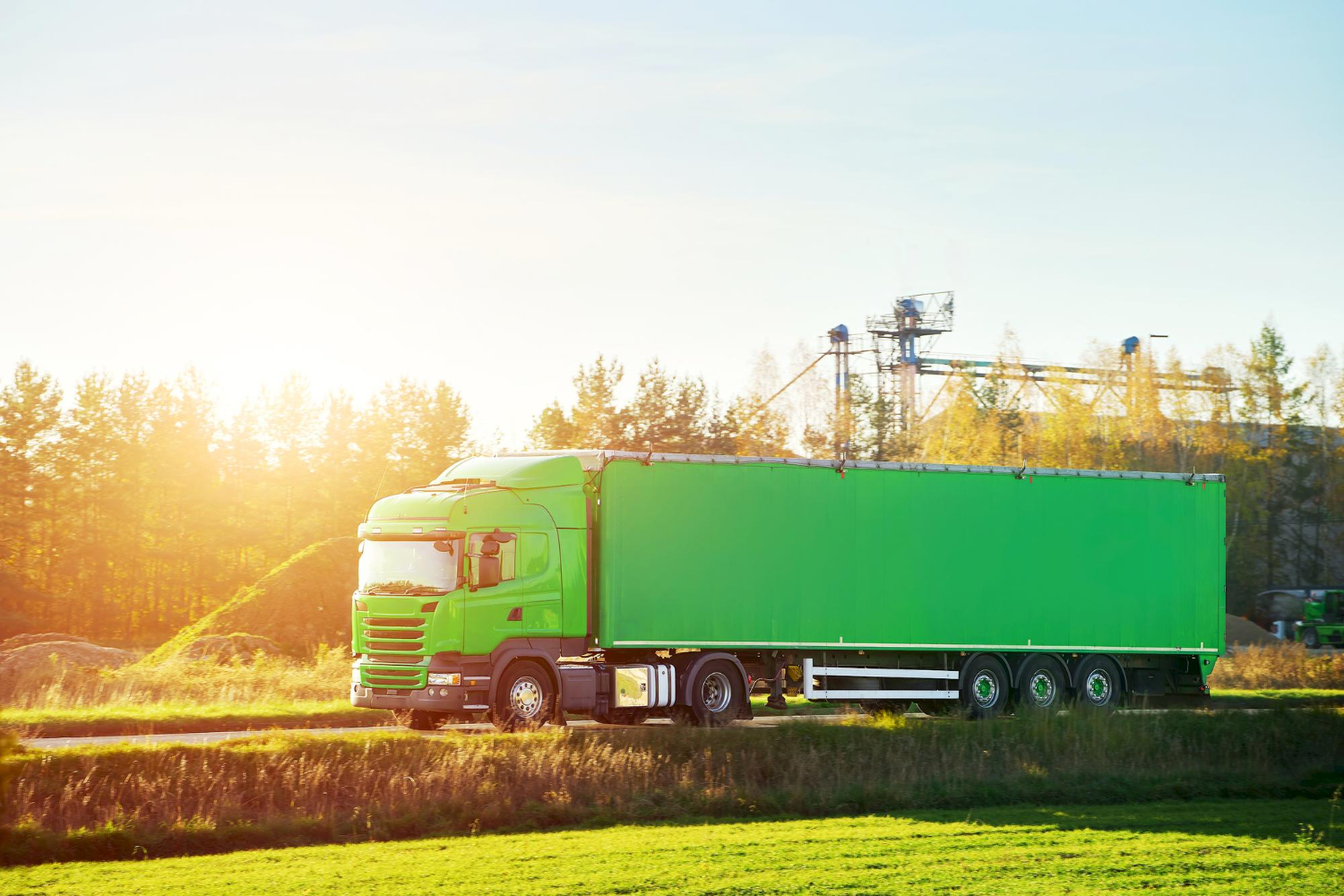
Sustainable logistics means moving, storing, and packaging goods in ways that cut emissions, energy use, and waste across the supply chain. Done well, it also cuts cost: consolidated loads, smarter routes, rail for long hauls, efficient warehouses, and right-sized packaging all lower spend while lowering emissions.
Key takeaways
- Sustainable logistics reduces emissions, energy, and waste in transport, warehousing, and packaging, and most of those changes also reduce cost.
- Transportation is the largest source of U.S. greenhouse gas emissions at 28% in 2022, and medium- and heavy-duty trucks make up 23% of that, according to the EPA.
- Freight railroads are three to four times more fuel efficient than trucks, so shifting suitable long-haul freight to rail can cut its emissions by up to 75%.
- California's SB 253 requires large companies doing business in the state to report emissions, with Scope 3, which includes freight, expected from 2027. Their suppliers and logistics partners will get data requests.
- The cheapest emissions to cut are usually the wasteful ones: half-empty trucks, reactive air freight, oversized packaging, and idle warehouse energy.
Sustainability is no longer a buzzword in logistics. It is a business need. Many companies still think green practices are expensive, but the opposite is often true. Sustainable logistics can raise profits, improve efficiency, and lift your brand at the same time. At Beyond Logix, we help companies reimagine their supply chains through smarter, cleaner, and more cost-effective strategies.
What is sustainable logistics?
Sustainable logistics is the use of environmentally conscious strategies at every stage of the supply chain. It includes reducing emissions from freight transport, lowering energy use in warehousing, cutting packaging waste, and optimizing routes to reduce fuel consumption. The goal is a supply chain that supports both the planet and your profit margins.
Freight is the natural place to start. Transportation accounted for 28% of total U.S. greenhouse gas emissions in 2022, the largest share of any sector, according to the EPA's transportation emissions fast facts. Within transportation, medium- and heavy-duty trucks made up 23% of emissions, according to the EPA's transportation sector emissions data.
How does sustainable logistics improve your bottom line? 6 ways
Sustainable logistics improves the bottom line in six ways. It lowers transport and fuel costs, cuts warehouse energy use, and reduces packaging waste. It also wins customers who value green practices, lowers long-term risk, and makes better use of technology. In each case, the change that cuts emissions also cuts cost or protects revenue.
Lower transportation and fuel costs
Consolidation, route optimization, and mode shifting cut both spend and emissions together.
Energy-efficient warehousing
LED lighting, smart HVAC, and better layouts cut utility bills and equipment wear.
Waste reduction and smarter packaging
Right-sized packaging lowers material cost, shipping weight, and wasted space.
Meeting customer demand for green practices
Buyers increasingly weigh sustainability when choosing logistics vendors.
Long-term risk reduction
Leaner, regional, more trackable supply chains resist fuel and climate disruption.
Better use of technology
Cloud freight management and predictive analytics cut labor costs and errors.
1. Lower transportation and fuel costs
Transportation is one of the largest contributors to both logistics cost and emissions, and it is getting more expensive. The cost of operating a truck hit a record $2.336 per mile in 2025, according to the American Transportation Research Institute. Load consolidation, route optimization, and mode shifting cut both.
Route optimization software reduces fuel use and time on the road. Choosing rail over trucking for suitable legs can take longer but often costs less on long hauls, and freight railroads are three to four times more fuel efficient than trucks, cutting emissions by up to 75%, according to the Association of American Railroads. Consolidating shipments into fuller containers also helps. See FCL vs LCL for how consolidation changes the math.
2. Energy-efficient warehousing
Modern warehouses save energy with LED lighting, smart HVAC systems, and motion sensors. A better layout improves inventory flow, so forklifts and other equipment move less. Efficient warehouses also hold long-term value. They appeal to clients focused on environmental, social, and governance (ESG) standards. In some regions, they can also qualify for green building certifications or energy rebates.
3. Waste reduction and smarter packaging
Packaging is often overlooked as a profit lever, but it matters. Smaller, lighter packaging lowers material costs, shipping weight, and transport spend, and it fits more product into every truck and container. Recyclable or reusable packaging strengthens your brand with environmentally conscious customers. Eliminating excess packaging and standardizing container sizes saves on both storage and transport.
4. Meeting customer demand for green practices
Buyers and supply chain partners increasingly weigh sustainability when choosing vendors, especially in B2B sectors such as manufacturing, industrial goods, and retail. Positioning your logistics as both effective and environmentally responsible can win business. Be specific when you make green claims: customers and regulators expect claims to be backed by real data, not general statements.
5. Long-term risk reduction
Sustainable logistics reduces exposure to fuel price swings, evolving regulations, and disruptions from climate-related events. A leaner, more agile supply chain is more resilient to volatility. Sourcing from regional suppliers shortens routes, and real-time freight tracking helps you anticipate delays. For importers, nearshoring to Mexico can shorten supply lines while reducing tariff exposure.
6. Better use of technology
Sustainable logistics goes hand in hand with smart logistics. Cloud-based freight management, warehouse automation, and predictive analytics cut labor costs and errors. They also support better decisions and give you the shipment data you need to measure emissions. The result is better accuracy, lower overhead, and full visibility into your supply chain.
Source: EPA transportation emissions data (2022); Association of American Railroads; CARB SB 253 rulemaking (2026)
Which sustainable logistics practices save the most?
The sustainable logistics practices that save the most are the ones that remove waste: consolidating loads, optimizing routes, shifting long hauls to rail, planning ahead instead of expediting by air, making warehouses energy efficient, and right-sizing packaging. Each lowers cost and emissions together, so none of them requires trading profit for sustainability.
| Practice | Cost impact | Emissions impact |
|---|---|---|
| Load consolidation | Fewer shipments, lower cost per unit | Fewer vehicle miles per unit shipped |
| Route optimization | Less fuel and driver time | Lower fuel burn and emissions |
| Mode shift to rail or intermodal | Often cheaper on long hauls | Up to 75% lower emissions than truck |
| Planning instead of expediting air | Avoids premium air rates | Air is far more carbon-intensive per ton-mile |
| Energy-efficient warehousing | Lower utility bills, possible rebates | Lower electricity use |
| Right-sized packaging | Less material, lower dimensional weight | Less waste and fewer shipments |
Reactive air freight deserves special attention because it is both the most expensive and among the most carbon-intensive ways to move goods. See ocean vs air freight from Asia for how to decide when air is truly worth it.
Why does freight emissions reporting matter now?
Freight emissions reporting matters because large customers are starting to be required to disclose the emissions in their supply chains. California's SB 253 requires companies with more than $1 billion in revenue doing business in the state to report emissions, and the freight they buy falls into Scope 3, which is expected to be reported from 2027.
According to Mayer Brown's analysis of CARB's rulemaking, the first SB 253 reports for Scope 1 and Scope 2 are due by November 10, 2026, Scope 3 is not required for 2026, and a limited Scope 3 approach is proposed to begin in the 2027 cycle. That means covered companies will ask their suppliers and logistics partners for freight data. Shippers that can already provide emissions by lane and mode will be easier to buy from.
Measuring freight emissions follows recognized methods, such as the GHG Protocol, which SB 253 uses, and ISO 14083 for transport chains. Good shipment data, including mode, distance, and weight, is the foundation for both.
How do you start a sustainable logistics program? 6 steps
To start a sustainable logistics program, measure a baseline, capture quick wins such as consolidation and route optimization, evaluate mode shifts to rail, right-size packaging, upgrade warehouse energy use, and collect emissions data from partners. Starting with changes that save money builds momentum and funds the next steps.
There are six steps to starting a sustainable logistics program:
- Measure a baseline. Estimate freight emissions by mode and lane using shipment data, following a recognized method such as the GHG Protocol or ISO 14083.
- Capture the quick wins. Start with consolidation, route optimization, and cutting reactive air freight, because they save money and emissions at once.
- Evaluate mode shifts. Identify long-haul, non-urgent lanes that could move by rail or intermodal without hurting service.
- Right-size packaging. Review box sizes, fill rates, and materials to cut dimensional weight and waste.
- Upgrade warehouse energy use. Prioritize LED lighting, smart HVAC controls, and motion sensors, and check for local energy rebates.
- Collect partner data and report. Ask carriers and logistics partners for emissions data, and prepare for customer requests tied to Scope 3 reporting.
Many of the same fixes remove hidden costs too. See 7 hidden logistics costs draining your budget.
How does Beyond Logix help with sustainable logistics?
Beyond Logix specializes in end-to-end logistics solutions that prioritize both efficiency and sustainability. Whether you're optimizing freight routes, consolidating loads, reducing warehouse waste, or adopting smarter packaging, we help you drive profitability while lowering your environmental impact, with the visibility to measure the results.
Sustainability is not a trend; it is the future of logistics. Businesses that adopt sustainable practices today will be more competitive, more profitable, and better aligned with what customers expect tomorrow.
Frequently asked questions
What is sustainable logistics?
Sustainable logistics is the practice of moving, storing, and packaging goods in ways that reduce emissions, energy use, and waste across the supply chain. It includes load consolidation, route optimization, mode shifting to rail, energy-efficient warehousing, and smarter packaging, and it aims to protect both the environment and profit margins.
Is sustainable logistics more expensive?
Usually not, when you start with efficiency. The most effective practices, including consolidating loads, optimizing routes, cutting reactive air freight, shifting long hauls to rail, and right-sizing packaging, lower cost as well as emissions. Some investments, such as warehouse upgrades, cost more up front but pay back through lower energy bills.
How does shifting freight to rail help?
Freight railroads are three to four times more fuel efficient than trucks on a ton-mile basis, according to the Association of American Railroads, so moving suitable freight to rail can cut its emissions by up to 75%. Rail usually takes longer, so it works best for long-distance, non-urgent freight.
What are Scope 3 emissions in logistics?
Scope 3 emissions are the indirect emissions in a company's value chain, including those from transporting and distributing its goods by outside carriers. For most shippers, freight moved by third-party carriers falls under Scope 3, which is why customers increasingly ask logistics providers for emissions data.
Does California's SB 253 affect my logistics?
It can, even if you aren't covered directly. SB 253 requires companies with more than $1 billion in revenue doing business in California to report emissions, with first Scope 1 and 2 reports due in November 2026 and Scope 3 expected from 2027. Covered customers will request freight data from suppliers and logistics partners.
How can warehouses become more energy efficient?
Common steps include switching to LED lighting, installing smart HVAC controls and motion sensors, and optimizing layout to reduce unnecessary equipment movement. Efficient warehouses cost less to run, appeal to ESG-focused customers, and in some regions can qualify for green building certification or energy rebates.
How does packaging affect logistics costs?
Packaging drives material costs, shipping weight, and how much product fits in each truck or container. Oversized boxes raise dimensional weight charges and waste space. Right-sizing packaging and using recyclable or reusable materials lowers costs and waste, and it improves how environmentally conscious customers see your brand.
How does Beyond Logix support sustainable logistics?
Beyond Logix builds end-to-end logistics solutions that prioritize both efficiency and sustainability. We help clients consolidate freight, optimize routes and modes, reduce reactive air freight, and gain the shipment visibility needed to measure results, so greener logistics also shows up as lower cost.
Conclusion: greener logistics is leaner logistics
Sustainable logistics isn't a cost you absorb for the planet. The practices that cut emissions, such as consolidation, route optimization, rail for long hauls, efficient warehouses, and right-sized packaging, also cut cost. With customers preparing for emissions reporting, the companies that measure and improve their freight now will win business later.
Ready to build a greener and more profitable supply chain? Contact Beyond Logix today.
Sources
- Fast Facts on Transportation Greenhouse Gas Emissions, U.S. EPA, 2022 data
- Transportation Sector Emissions, U.S. EPA
- New ATRI Report Details Accelerating Costs and Low Profitability, American Transportation Research Institute, 2026
- Freight Rail Facts & Figures, Association of American Railroads
- California Climate Disclosure Laws: CARB Finalizes Its Initial Rulemaking, Mayer Brown, 2026