

Every Dollar Counts: 7 Hidden Logistics Costs Draining Your Budget
Seven freight strategy red flags quietly drain budgets, from empty miles to demurrage. Here's the 2026 data behind each one and how to fix it fast.
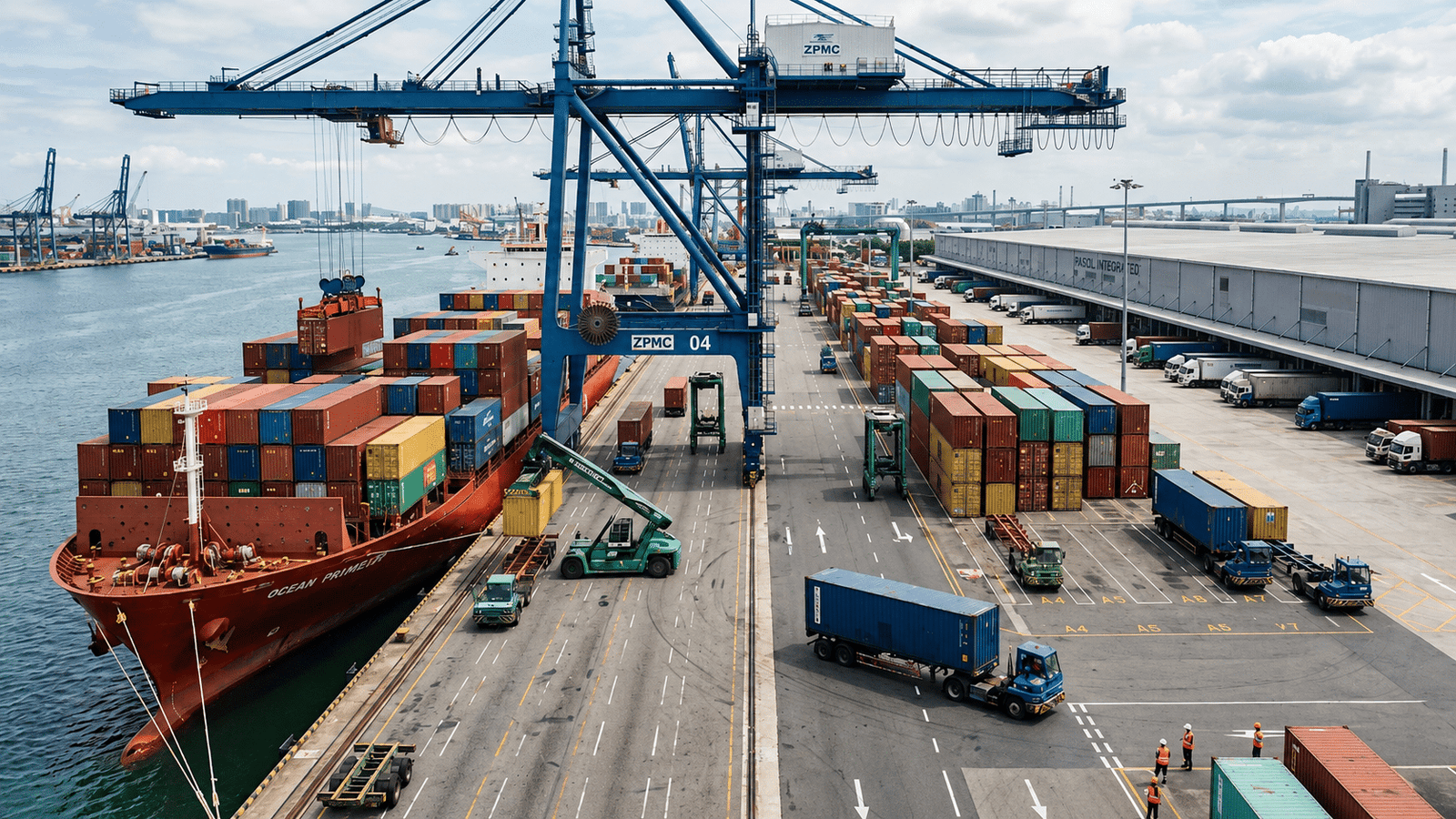
Hidden logistics costs are the expenses that never appear as one line item: poor visibility, stale carrier rates, empty miles, avoidable detention and demurrage, billing errors, missing KPIs, and treating logistics as a cost center. Each one is fixable, and together they can quietly drain a large share of your freight budget.
Key takeaways
- Hidden logistics costs rarely appear as a single line item. They build up through delays, errors, and missed opportunities across every shipment.
- Trucking costs hit a record $2.336 per mile in 2025, according to ATRI, so inefficiency in how you ship costs more than ever.
- Carriers ran 16.5% of their miles empty in 2025. Poor load planning and missed consolidation put shippers on the hook for that waste.
- Detention and demurrage are among the most avoidable costs. FMC rules now require ocean carriers to invoice these charges within 30 days, or the billed party doesn't have to pay.
- Tracking a handful of KPIs, such as cost per shipment, OTIF, and dwell time, turns freight data into savings you can act on.
Every dollar counts in logistics, and hidden inefficiencies in your freight strategy could be draining your budget without anyone noticing. Whether you're a supply chain director, operations lead, or logistics manager, it's easy to overlook blind spots that add up to serious money over time. At Beyond Logix, we work with businesses every day to uncover and eliminate these hidden logistics costs.
What are the 7 freight strategy red flags?
The seven red flags that signal hidden logistics costs are poor shipment visibility, sticking with the same carriers without benchmarking, poor load planning and empty miles, avoidable detention and demurrage, manual billing processes, missing KPI tracking, and treating logistics as a cost center. Each has a clear fix.
No shipment visibility
Flying blind on delivery windows and delays until a customer complains.
Same carriers, no benchmarking
Loyalty without rate checks means you could be overpaying the whole market.
Poor load planning, empty miles
Half-full trucks and missed consolidation waste capacity and fuel.
Avoidable detention and demurrage
Every hour freight sits waiting at a dock or port costs real money.
Manual billing processes
Hand-processed invoices hide errors and missed rebates and credits.
No KPI tracking
Without metrics like OTIF and cost per shipment, you can't manage what you can't see.
Logistics as a cost center
Treating freight as pure expense blocks the investments that cut cost.
1. No visibility into shipment performance
If you can't say how long your last shipment took or why it was late, you're operating in the dark. Without real-time tracking and analytics, you miss delivery windows, slow inventory turns, and lose customers.
Fix it: Use platforms that provide real-time tracking, predictive ETAs, and automated milestone updates. Visibility reduces surprises, and fewer surprises mean fewer expensive emergency decisions such as expedited freight.
2. Relying on the same carriers regardless of the market
Loyalty is valuable, but carrier complacency costs money. Sticking with one or two providers without benchmarking current rates means you could be overpaying, or be unprepared when the market turns. With carrier margins as thin as ATRI reports, rates are likely to move, and shippers who don't benchmark will feel it first.
Fix it: Benchmark carrier rates and performance regularly. A flexible network gives you the best mix of price and service and a backup when a carrier falls short.
3. Poor load planning and empty miles
Freight shipped half-full, poorly routed, or leaving a truck empty on the way back is pure waste. Carriers ran 16.5% of their non-tank miles empty in 2025, according to The Trucker's coverage of the ATRI report, and that cost is built into the rates you pay. Poor load planning also wastes capacity, fuel, and consolidation opportunities.
Fix it: Use route optimization and freight consolidation. In ocean freight, that can mean combining suppliers into one container instead of several LCL shipments. See FCL vs LCL for how consolidation changes the math.
4. Detention and demurrage fees you could have avoided
Every hour freight sits waiting, whether a truck at your dock or a container at the port, costs money. These fees usually come from poor scheduling and communication. In trucking, excessive driver detention is generally measured against a two-hour threshold per stop, and average dwell time in 2024 was 1 hour and 38 minutes, according to FreightWaves' summary of ATRI data. That leaves little margin for a slow dock.
Ocean shippers have new leverage. Under FMC rules in effect since May 2024, detention and demurrage invoices must be issued within 30 days of when the charge was last incurred, or the billed party is not required to pay, according to HFW's summary of the rule.
Fix it: Use carrier check-in and dock scheduling tools, coordinate pickups with partners ahead of time, track free time on every container, and dispute invoices that don't meet the rules.
Source: ATRI 2026 Analysis of the Operational Costs of Trucking; FMC demurrage and detention rule (2024)
5. Manual processes that lead to billing errors
If you still process bills of lading, invoices, or claims by hand, you're not just wasting time. You're risking costly errors and missing rebates, refunds, and credits you're owed.
Fix it: Automate freight auditing, billing, and claims. Beyond Logix's systems flag discrepancies in real time, before they become losses.
6. No KPI tracking or freight analytics
If you can't measure it, you can't manage it. Many companies don't track core logistics metrics such as cost per shipment, on-time in-full (OTIF), and carrier scorecards.
Fix it: Build dashboards that track logistics KPIs weekly or monthly. Freight data isn't just useful; it drives profit. The KPI table below is a good starting set.
7. Treating logistics as a cost center instead of a strategic asset
When logistics is seen only as an expense, investments in optimization get pushed aside. The result is outdated processes, frustrated teams, and rising costs. The scale is large: U.S. business logistics costs were $2.4 trillion, or 7.8% of GDP, according to the CSCMP 2026 State of Logistics Report.
Fix it: Shift the mindset. Logistics drives competitive advantage through speed, cost efficiency, and customer satisfaction. Treat it like a growth lever. For the structural side of cost reduction, see how to reduce supply chain costs.
Which logistics KPIs reveal hidden costs?
The logistics KPIs that reveal hidden costs are cost per shipment or per unit, on-time in-full, carrier on-time performance, dwell time, detention and demurrage per shipment, invoice accuracy, and trailer or container utilization. Tracked together, they show where money leaks and which fix will pay off first.
| KPI | What it measures | Why it matters |
|---|---|---|
| Cost per shipment and cost per unit | Total freight spend divided by shipments or units | Shows whether costs are rising faster than volume |
| On-time in-full (OTIF) | Share of orders delivered complete and on time | Links logistics to customer satisfaction |
| Carrier on-time pickup and delivery | Share of loads picked up and delivered on schedule | Feeds carrier scorecards and rate negotiations |
| Dwell time per stop | Average time trucks wait at your docks | Predicts detention charges before they arrive |
| Detention and demurrage per shipment | D&D charges divided by containers or loads | Exposes scheduling and pickup problems |
| Invoice accuracy rate | Share of freight invoices paid without correction | Reveals billing errors and audit savings |
| Trailer or container utilization | Share of available capacity actually used | Measures load planning and consolidation |
How do you audit your freight network for hidden costs? 6 steps
To audit your freight network, pull 12 months of freight data, benchmark rates and service, total your accessorial fees, measure utilization, audit invoices, and set KPIs with a regular review cadence. The audit turns vague concern about freight spend into a ranked list of specific, fixable problems.
There are six steps to a freight network audit:
- Pull 12 months of freight data. Gather invoices, shipment records, and accessorial charges across every mode and carrier.
- Benchmark rates and service. Compare what you pay and the service you get against current market rates on your key lanes.
- Find the accessorial leaks. Total your detention, demurrage, storage, and other accessorial fees, and trace each back to its cause.
- Measure utilization. Check how full your trailers and containers run and where shipments could be consolidated.
- Audit invoices. Match freight bills against rates, contracts, and delivery records, and dispute errors within the allowed windows.
- Set KPIs and a review cadence. Choose a short list of KPIs, build a dashboard, and review it weekly or monthly with your carriers and partners.
Doing this across many carriers and modes is easier with a partner who sees the whole network. See what a freight forwarder does and what to look for in a logistics partner.
How does Beyond Logix help eliminate hidden logistics costs?
Beyond Logix helps clients reduce logistics costs by up to 20% through smarter freight strategies, real-time visibility tools, and custom 4PL support. We audit your freight network, flag billing discrepancies in real time, consolidate freight, and track the KPIs that show where money leaks, so savings are measured, not guessed.
If any of these red flags sound familiar, your freight strategy is probably leaking money, and the fix can start now.
Frequently asked questions
What are hidden logistics costs?
Hidden logistics costs are expenses that don't show up as a single, obvious line item. They include delays caused by poor visibility, overpaying stale carrier rates, empty or underused trucks, avoidable detention and demurrage, billing errors, and weak performance tracking. Individually they look small, but together they drain freight budgets.
How can I reduce freight costs quickly?
The fastest wins usually come from auditing freight invoices for errors, cutting avoidable detention and demurrage through better scheduling, and benchmarking your carrier rates against the current market. Consolidating shipments and improving load planning follow closely, because they lower cost per unit without changing suppliers.
What is the difference between detention and demurrage?
In ocean freight, demurrage is generally charged when a container stays at the terminal past its free time, while detention is charged when you keep the carrier's container outside the terminal too long. In trucking, detention is the fee for holding a driver and truck beyond the free loading or unloading time.
Can I dispute detention and demurrage charges?
Often, yes. Under FMC rules in effect since May 2024, ocean carriers and other billing parties must include specific information on detention and demurrage invoices and issue them within 30 days, or the billed party is not required to pay. Review every invoice and dispute charges caused by the carrier or terminal.
What logistics KPIs should I track?
Start with cost per shipment or per unit, on-time in-full (OTIF), carrier on-time performance, dwell time at your docks, detention and demurrage per shipment, invoice accuracy, and trailer or container utilization. A short list reviewed consistently beats a long list nobody acts on.
What is a freight audit?
A freight audit checks freight invoices against contracted rates, shipment records, and delivery data before or after payment. It catches duplicate bills, wrong rates, and unjustified accessorial charges. Automating the audit flags discrepancies in real time, so errors are fixed before they become losses.
Why should logistics be treated as a strategic asset?
Because logistics drives speed, cost, and customer satisfaction, not just expense. U.S. business logistics costs were $2.4 trillion in CSCMP's 2026 State of Logistics Report, so companies that invest in optimization gain a real competitive edge, while those that treat logistics only as a cost fall behind.
How does a 4PL help reduce logistics costs?
A 4PL manages your logistics strategy and coordinates carriers, brokers, warehouses, and technology in one accountable relationship. That lets it benchmark rates across providers, consolidate freight, audit invoices, and track KPIs across your whole network, which is where many hidden costs are found and fixed.
Conclusion: don't let red flags drain your bottom line
Hidden logistics costs come from blind spots: missing visibility, stale carrier rates, empty miles, avoidable detention and demurrage, manual billing, missing KPIs, and a cost-center mindset. With trucking costs at a record high in 2026, each one costs more than it used to, and each one has a practical fix.
Let's audit your freight network and uncover immediate savings opportunities.
Sources
- Trucking Is Getting More Expensive: ATRI Report Explains Why, The Trucker, 2026
- ATRI Report: Rising Costs Continue to Squeeze Trucking Industry, FreightWaves, 2026
- FMC's New Demurrage and Detention Regulations Become Effective May 2024, HFW, 2024
- State of Logistics Report, CSCMP, 2026