

What Is a Freight Forwarder?
For importers and exporters: what forwarders actually do, how they differ from NVOCCs and customs brokers, and how to choose the right one.
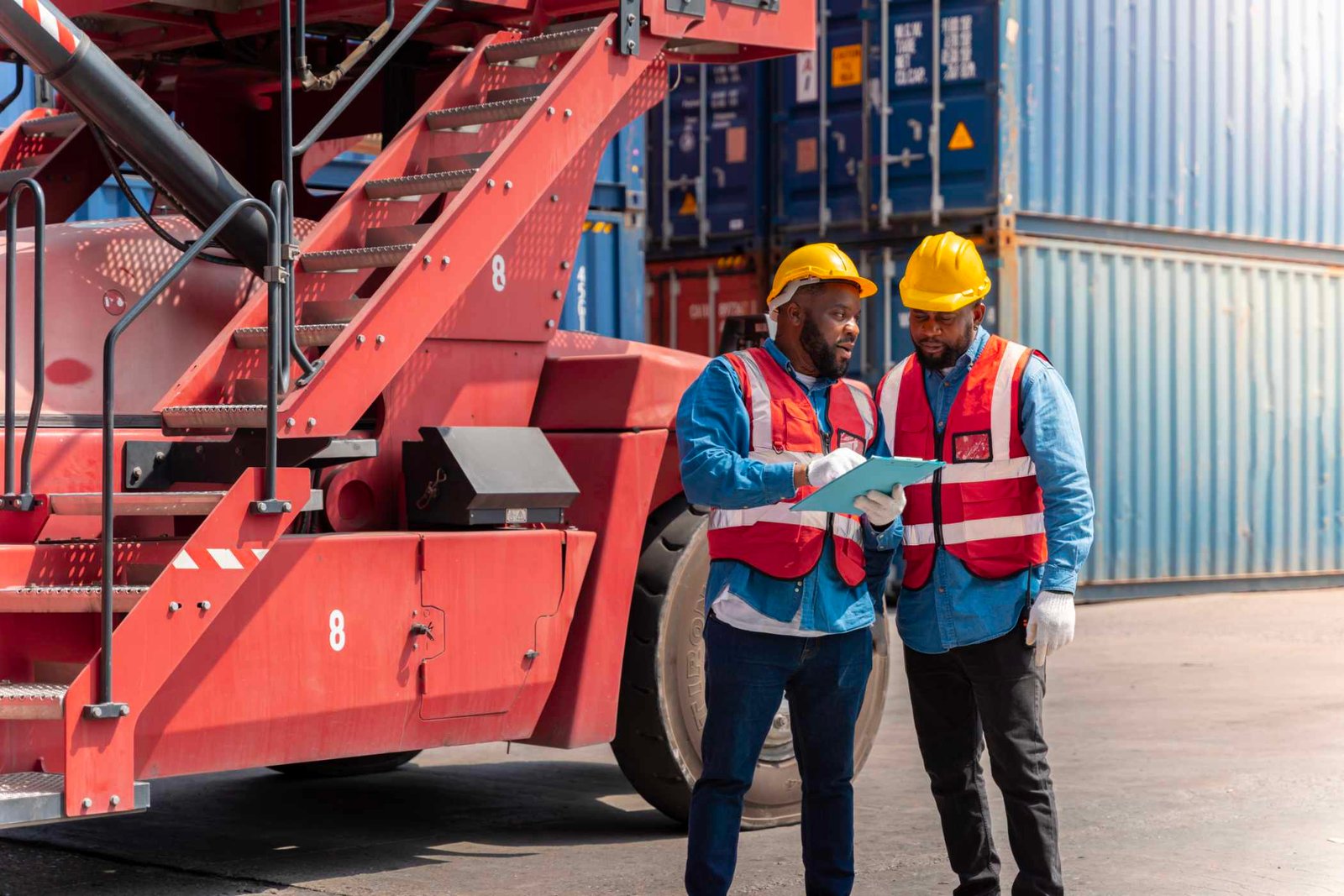
What is a freight forwarder? It is a company that organizes international shipments for importers and exporters without owning the ships or planes. Forwarders book carrier space, prepare documents, coordinate customs clearance through licensed brokers, and arrange delivery. U.S.-based ocean freight forwarders must be licensed by the FMC.
Key takeaways
- A freight forwarder coordinates international shipments on your behalf, managing carriers, documents, customs, and delivery, but does not own the vessels or aircraft.
- U.S.-based ocean freight forwarders and NVOCCs are licensed by the Federal Maritime Commission. Forwarders post a $50,000 bond; U.S.-based NVOCCs post $75,000.
- An NVOCC acts as a carrier and can hold service contracts with ocean lines, which gives priority space when capacity tightens. Many companies are both.
- Customs clearance requires a CBP-licensed customs broker. A forwarder without licensed brokers must hand clearance to a separate vendor.
- For anyone importing or exporting regularly, especially from Asia, a good forwarder usually costs less than the mistakes it prevents.
If you've ever shipped something internationally and wondered who coordinates all the moving pieces, you've probably already needed a freight forwarder. Most importers start by handling their own logistics. Then the first big container arrives late, the customs paperwork is wrong, and a demurrage bill shows up that nobody saw coming. That's usually when the search starts. Here is the honest answer to what a freight forwarder is, what it does, and whether your business needs one.
What is a freight forwarder?
A freight forwarder is a company that organizes international shipments on behalf of an importer or exporter. It doesn't own the vessels, planes, or trucks. Instead, it coordinates everyone who does: carriers, customs brokers, trucking companies, warehouses, and overseas agents. Think of it as the project manager for your shipment.
Picture a factory in Vietnam finishing production. Someone has to arrange the container pickup, book vessel space, prepare export documents in Vietnam, coordinate customs clearance when the cargo lands in the U.S., and schedule delivery to your warehouse in Texas. A freight forwarder manages that entire chain. Without one, you're doing it yourself, and unless you have a logistics team with carrier relationships and customs expertise, that is usually where things go sideways.
What does a freight forwarder do?
A full-service freight forwarder books carrier space, prepares export and shipping documents, coordinates import customs clearance through licensed brokers, files the ISF for ocean cargo, arranges inland trucking, and tracks the shipment at every milestone. The best forwarders also flag problems early, before they turn into holds, fees, or missed delivery dates.
Carrier booking
Reserving space on vessels or flights with ocean lines and air cargo carriers.
Export documentation
Shipper's letters of instruction, bills of lading, commercial invoice review, and certificate of origin coordination.
Import customs clearance
Coordinating customs entries, HTS classification, and duty payment through licensed customs brokers.
ISF filing
Submitting the Importer Security Filing before ocean cargo is loaded overseas.
Inland transportation
Arranging drayage from the port to your warehouse, or over-the-road trucking for domestic and cross-border delivery.
Tracking and visibility
Monitoring each milestone and telling you when something changes.
See what ISF filing is and how to avoid its $5,000 claims. A good forwarder doesn't just check boxes. If a vessel is delayed, it finds an alternative. If a product classification is uncertain, it resolves the question before the cargo is held.
Freight forwarder vs NVOCC vs customs broker vs carrier: what's the difference?
A freight forwarder arranges shipments as your agent, an NVOCC acts as a carrier without operating ships, a customs broker clears goods through U.S. Customs, and an ocean carrier operates the vessels. Each role has its own license and responsibilities, and many logistics companies combine more than one under the same roof.
| Factor | Freight forwarder | NVOCC | Customs broker | Ocean carrier |
|---|---|---|---|---|
| Main job | Arranges and documents shipments | Acts as a carrier for ocean freight | Clears goods through U.S. Customs | Operates the ships |
| Licensed by | FMC (ocean freight forwarding) | FMC | CBP | FMC oversight as a common carrier |
| Issues its own bill of lading | No | Yes, a house bill of lading | No | Yes, a master bill of lading |
| Holds carrier service contracts | Not as a carrier | Can, as the shipper | No | Offers them to shippers |
| Files customs entries for you | Only with licensed brokers | Only with licensed brokers | Yes | No |
How are freight forwarders licensed?
In the U.S., ocean freight forwarding is a licensed activity. The Federal Maritime Commission licenses U.S.-based ocean freight forwarders and NVOCCs as Ocean Transportation Intermediaries. Each needs a qualifying individual with OTI experience and proof of financial responsibility, while customs brokers are licensed separately by CBP.
According to the FMC's licensing page, U.S.-based ocean freight forwarders and NVOCCs must obtain an FMC license, and a qualifying individual must have at least three years of OTI experience. The FMC's bond program sets financial responsibility at $50,000 for ocean freight forwarders and $75,000 for U.S.-based NVOCCs. The full rules are in 46 CFR Part 515. Because the license is public, you can check any provider before you sign.
Source: FMC licensing and bond program (2026)
Why does the freight forwarder vs NVOCC difference matter?
The difference matters because of capacity. An NVOCC can sign service contracts with ocean carriers, committing to volume in exchange for allocated space. A forwarder without its own contracts books through someone else's allocation, so when space tightens during peak season or Chinese New Year, its clients compete for whatever is left.
Most importers don't learn this until it bites them, as many did in the chaos of 2021. NVOCC-licensed companies like Beyond Logix plan for tight markets through their carrier contracts, while forwarders without them are calling around hoping for availability. Contracted space gets priority, although no provider can promise space in every disruption. If you ship ocean freight from Asia regularly, ask any forwarder whether it is the NVOCC or books through one. For the full comparison, see NVOCC vs freight forwarder.
Is a freight forwarder the same as a customs broker?
No. A freight forwarder moves your cargo, and a customs broker clears it through U.S. Customs. Customs brokers are licensed by CBP to file entries on your behalf. Some companies do both, but many don't, and when the two are separate vendors, communication gaps cause delays and fees.
When forwarding and customs are split, the broker may not know your vessel changed, and the forwarder may not know CBP ordered an exam. Those gaps show up as storage fees and demurrage. Under FMC rules in effect since May 2024, demurrage and detention invoices must follow strict timing and content rules, according to HFW's summary of the rule, but avoiding the charges in the first place is better. Beyond Logix handles freight forwarding and customs brokerage under one roof. See what a customs broker does.
Does your business need a freight forwarder?
If you import or export with any regularity, you almost certainly need a freight forwarder. The real question is what kind. You may not need one yet if you only ship small parcels by courier, or if you already have an in-house team with direct carrier contracts and licensed customs brokers.
You need a freight forwarder if:
- You ship ocean or air freight internationally, even a few containers a year.
- You don't have an in-house logistics team with carrier relationships and customs expertise.
- You've had a shipment delayed, penalized, or held at customs without fully understanding why.
- You import from Asia, especially China, where ISF rules and tariff classification get complicated fast.
- Your supplier arranges the freight, and you're not sure who's responsible for what.
Most growing importers and manufacturers fall into this group. The cost of a forwarder is almost always less than the cost of mistakes made without one. If you're weighing modes, see ocean vs air freight from Asia.
How do you choose a freight forwarder? 6 steps
To choose a freight forwarder, verify its FMC license, ask whether it is the NVOCC and which carriers it contracts with, confirm customs brokerage is in-house, check its trade lane expertise, ask for a real example of a problem it solved, and review its visibility tools. Those answers reveal more than any sales pitch.
There are six steps to choosing the right freight forwarder:
- Verify the FMC license. Ask for the company's legal name and license number, and confirm the license type and status in the FMC's online database.
- Ask whether they are the NVOCC. Find out whether they hold carrier service contracts themselves or book through another NVOCC, and which carriers they contract with.
- Confirm customs brokerage is in-house. Ask whether licensed customs brokers are on staff or whether clearance goes to a separate vendor.
- Check trade lane expertise. Look for direct carrier relationships and regional know-how on your lanes, such as Asia to the U.S. or U.S.-Mexico cross-border.
- Ask for a real problem they solved. Request a specific example of how they handled a customs hold, rolled booking, or vessel change.
- Review visibility tools. Real-time tracking is table stakes. Look for milestone alerts, customs status updates, and integration with your systems.
Trade lane expertise matters. A Dallas-based forwarder with direct carrier relationships on the Asia-U.S. lane and cross-border capability into Mexico is more useful to many importers than a generalist. For the Mexico side, see nearshoring to Mexico.
How much does a freight forwarder cost?
Freight forwarder pricing depends on trade lane, shipment size, mode, and services. A full-service forwarder should quote landed cost, which covers the freight rate, origin and destination charges, customs brokerage, ISF filing, and delivery. Quotes that show only the ocean or air rate hide the add-ons where surprise costs live.
When comparing quotes, line up the same components side by side: freight, origin handling, destination handling, documentation, customs brokerage, ISF, drayage, and any free-time terms for containers. The lowest freight rate is rarely the lowest total cost.
How does Beyond Logix work as a freight forwarder?
Beyond Logix is a Dallas-based, NVOCC-certified logistics company that offers international freight forwarding, customs brokerage, domestic trucking, and warehouse fulfillment. With licensed customs brokers on staff and carrier contracts on Asia-U.S. lanes, we handle the whole supply chain under one roof, with no handoffs and one point of accountability.
Whether you're importing ocean freight from Asia, manufacturing overseas, or moving cargo across the U.S.-Mexico border, our team manages the chain from origin to delivery.
Frequently asked questions
What is a freight forwarder in simple terms?
A freight forwarder is a company that coordinates international shipments for you. It arranges carrier bookings, handles export and import documents, coordinates customs clearance, and organizes final delivery. It doesn't own the ships or planes; it manages the process and the parties involved.
Is a freight forwarder the same as a shipping company?
No. Shipping lines such as Maersk or Evergreen operate the vessels and move the cargo. Freight forwarders book space with those lines and manage documentation and coordination for you. An NVOCC sits between the two: it acts as a carrier to its customers and buys space from the shipping lines.
Do I need a freight forwarder if I import from China?
Almost certainly. Importing from China involves ISF filing, HTS classification, layered Section 301 tariffs, carrier booking, and customs clearance, and each can go wrong on its own. A freight forwarder with licensed customs brokers in-house handles all of it and catches problems before they cost money.
What is the difference between a freight forwarder and a customs broker?
A freight forwarder moves your cargo, and a customs broker clears it through U.S. Customs. A customs broker must be licensed by CBP, while an ocean freight forwarder is licensed by the FMC. Some companies do both in-house; many use separate vendors, which creates communication gaps.
How much does a freight forwarder cost?
Pricing depends on the trade lane, shipment size, mode, and services. A full-service forwarder should quote landed cost: the freight rate plus origin charges, destination charges, customs brokerage, ISF filing, and delivery. Be skeptical of quotes that show only the ocean rate, because the add-ons are where surprises hide.
Can a freight forwarder guarantee space during peak season?
No provider can promise space in every disruption, but providers with carrier service contracts get priority allocation. That is why NVOCC status matters. A forwarder that books through someone else's contract competes for leftover space when capacity tightens, and its clients are the first to get rolled.
Can a freight forwarder handle customs clearance?
Only if it has licensed customs brokers on staff or works with one. Filing customs entries on another party's behalf requires a CBP customs broker license. If you want one point of accountability, choose a company that handles both freight and customs in-house.
What happens if my freight forwarder makes a mistake?
It depends on the mistake. ISF errors can bring $5,000 in liquidated damages assessed to the importer, classification errors can lead to underpaid duties and penalties, and missed documents can hold cargo at the port. The importer usually bears the legal responsibility, so choose a forwarder with a strong accuracy record.
Conclusion: pick a forwarder that owns the whole chain
A freight forwarder coordinates the people, paperwork, and logistics that move your goods across borders. For any business that imports or exports regularly, it's the difference between a supply chain that runs and one that costs money every time something goes wrong. Choose one with FMC licensing, carrier contracts, and in-house customs brokers.
Talk to the team at Beyond Logix about your next shipment.
Sources
- Apply for a License or Request a Foreign Registration, Federal Maritime Commission, 2026
- Bond Program Information for OTIs, Federal Maritime Commission, 2026
- 46 CFR Part 515, Electronic Code of Federal Regulations
- FMC's New Demurrage and Detention Regulations Become Effective May 2024, HFW, 2024